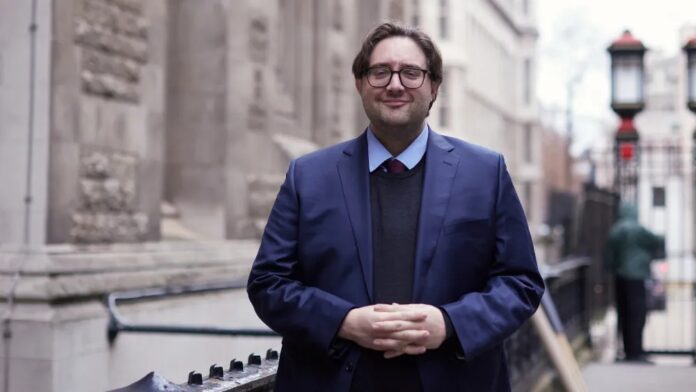
Tom Goodhead helped transform Pogust Goodhead from a specialist litigation practice into a firm associated with some of the largest group claims in the English courts. Its rapid expansion was built around representing thousands of individuals in environmental, consumer and vehicle emissions cases. However, Goodhead’s removal from leadership, growing financial pressure and the departure of senior lawyers have changed the story from ambitious growth to a struggle for stability.
Rapid Expansion and Early Financial Warning Signs

The going-concern warnings about Pogust Goodhead revealed the financial risks behind the firm’s aggressive expansion. Auditors raised questions about whether the business could continue meeting its obligations without obtaining additional funding. These warnings did not mean that the firm was certain to fail, but they indicated material uncertainty surrounding its financial position.
Pogust Goodhead’s business model depended on investing large amounts of money in legal claims before receiving fees. This approach can produce substantial returns when cases succeed, but proceedings may take many years to reach a final judgment or settlement. During that period, the firm must continue paying lawyers, experts, technology providers and administrative teams responsible for communicating with large groups of claimants.
Goodhead compared the firm’s rapid development to the growth of a technology start-up. The strategy allowed Pogust Goodhead to pursue cases beyond the financial capacity of many traditional law firms. At the same time, it increased the firm’s dependence on borrowing and external litigation finance.
The Mariana Case Transformed the Firm
Pogust Goodhead became internationally recognised through its claim against BHP concerning the 2015 Mariana dam disaster in Brazil. The collapse released mining waste across a large area, caused extensive environmental damage and affected numerous communities. The English proceedings were brought on behalf of hundreds of thousands of claimants seeking compensation.
The scale of the case required extraordinary financial resources. Pogust Goodhead relied heavily on funding supplied by Gramercy Funds Management, creating a relationship that became central to the firm’s survival. As borrowing and legal costs increased, concerns developed about the amount of influence a financial backer could exercise over management decisions.
The firm achieved an important victory when the English High Court found BHP liable. However, establishing liability did not immediately generate compensation or legal fees. Further proceedings are required to determine causation, individual losses and damages, leaving the firm responsible for financing another lengthy and expensive phase.
Goodhead’s Removal and the Search for Stability

Tom Goodhead was abruptly replaced as chief executive in 2025 and was later removed as a director. Reports connected the leadership change to disagreements over expenditure, governance and the management of the firm. Goodhead denied misconduct and argued that his removal resulted from a dispute over control and the direction of major cases.
Several senior lawyers also departed, including partners involved in the BHP and vehicle emissions claims. Their exits increased uncertainty about the firm’s internal stability and its ability to retain experienced legal teams. Pogust Goodhead has denied that its professional independence has been compromised and says its lawyers remain responsible for legal strategy.
A new leadership structure has since been introduced. Quinn Emanuel has also joined the Mariana litigation through a strategic partnership, supported by additional case-specific funding. These steps are intended to provide resources and expertise for the damages phase.
Conclusion
Tom Goodhead’s rise was closely connected to an ambitious model for financing mass legal claims, while his fall exposed the weaknesses of that same strategy. Pogust Goodhead proved that a specialist firm could challenge powerful multinational defendants, but rapid expansion created substantial debt and governance risks. Its future will depend on stable leadership, responsible funding and its ability to protect clients while navigating years of further litigation.